If you have been looking into buying an agarwood tree, you may have noticed that they come with a high price tag. You might wonder what makes a single tree so valuable.
In this blog, we will explore the factors behind the cost of agarwood trees. You will learn why these trees are considered special, how they grow, and what makes them sought after around the world.
By the end of this post, you will understand why it’s valuable and why buying from a trusted Philippine farm is a wise choice.
Rare and Endangered
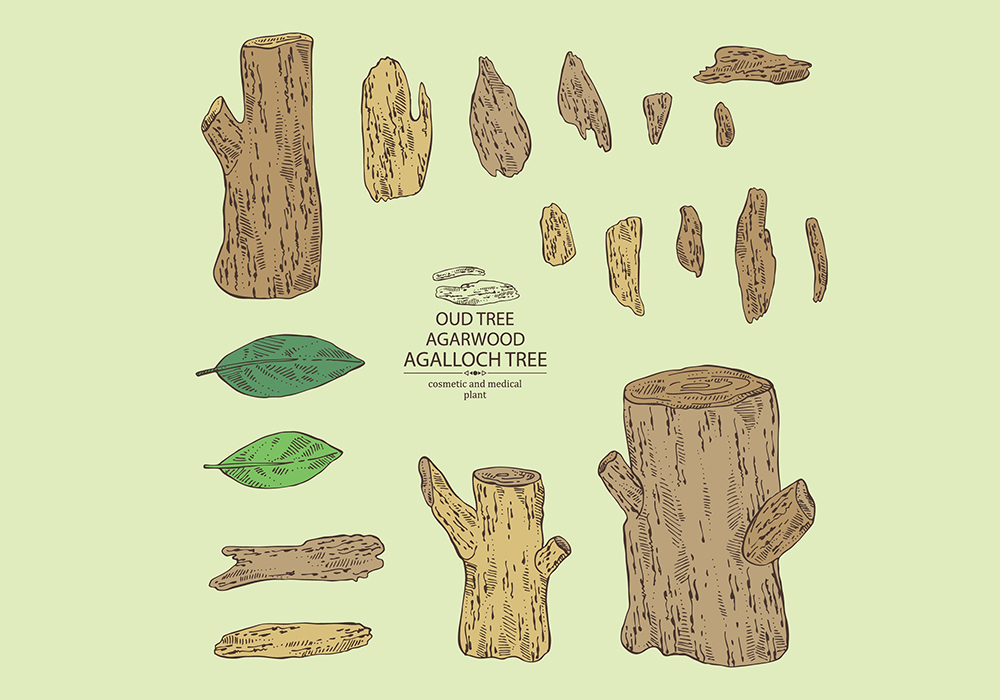
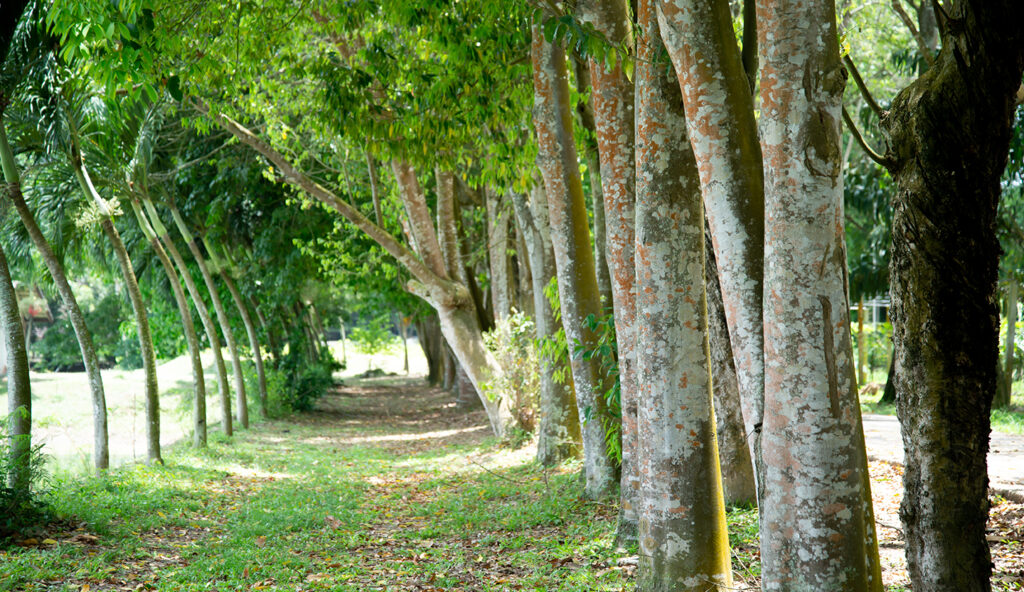
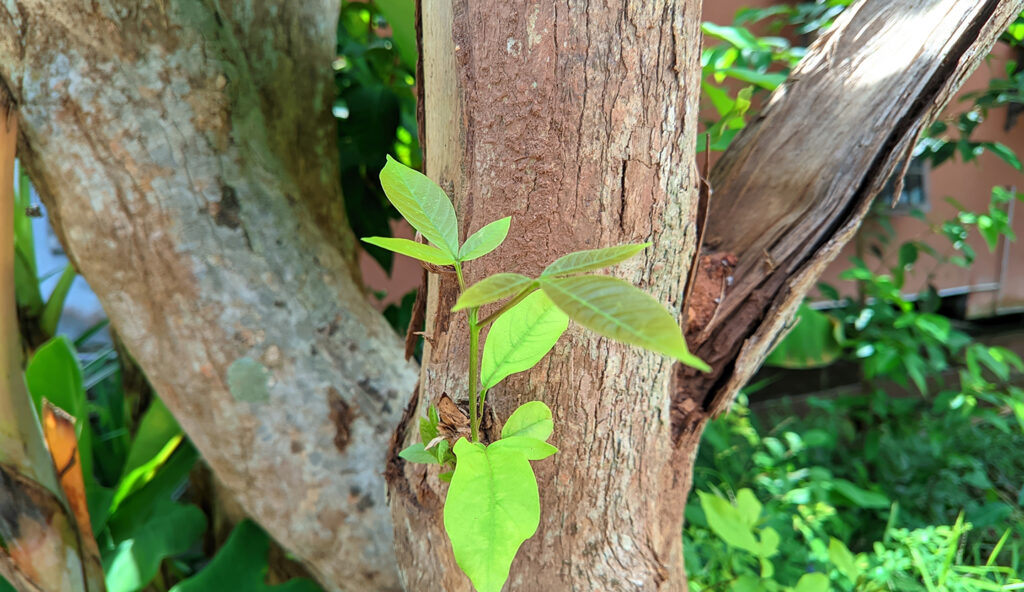
Agarwood comes from the heartwood of aquilaria trees that are primarily found in Southeast Asia. The aquilaria malaccensis species is rare and only a small number of trees ever produce the aromatic resinous wood that is highly prized. The resin forms slowly inside the tree, and not every tree develops it. The natural rarity of this process adds value to each tree.
Overharvesting and habitat loss have made these trees an endangered species of wild. Farms must follow strict rules under the Convention on International Trade in Endangered Species on Wild Fauna and Flora to grow them legally. For buyers, this means that only responsible farms can offer real, high-quality trees.
Extremely High in Demand
Agarwood is in high demand for its unique fragrance and uses. People use the resin to make agarwood essential oil, perfumes, incense, and other luxury agarwood products. The oil is especially valued in the Middle East, where oud and related items are a symbol of prestige and quality.
High-quality trees are sought after not only in the Middle East but also in Asia and Europe. Fragrance makers, wellness industries, and collectors all compete for oil extraction from the best trees. Farms that produce legal and high-quality trees have to meet this demand while following regulations, which naturally raises costs.
Complex Resin Formation
One of the main reasons an agarwood tree is expensive is the complexity of resinous wood formation. The resin only develops under stress, natural infection, or careful inoculation. Not all trees respond, and the process can take years. Farms that grow agarwood producing species like aquilaria malaccensis must carefully manage these conditions to ensure quality.
You cannot speed up the process without risking damage to the tree or the resin. Each tree grows differently, and the amount and quality of resin vary depending on age, environment, and care. This uncertainty makes every resin-producing tree valuable.
Consistent Care Requirements
Growing an agarwood tree is not simple. You need space, proper soil, water management, pest control, and regular attention. Farms employ skilled laborers who know how to manage aquilaria malaccensis or related species such as aquilaria crassna. The right care increases survival rates and ensures the tree will eventually produce agarwood.
Farming these trees is long-term work. You must know when to prune, how to inoculate safely, and how to prevent disease. Every step requires expertise. Mistakes can reduce resin quality or kill the tree.
Additionally, labor, land, and knowledge are costly. Farms that invest in proper care, training, and long-term management ensure that each tree produces the best results. This attention explains why agarwood trees are more expensive than ordinary plants.
Buy Agarwood Trees from the Philippines
If you want to grow your own trees or invest in cultivated agarwood, the Philippines offers trusted options. AVAH Farm in Liliw, Laguna specialize in aquilaria malaccensis. We provide trees that are carefully nurtured for quality.
Buying from a verified Philippine farm provides access to high-quality agarwood trees. You can select young trees for long-term cultivation or inoculated trees to start resin development sooner.
Contact AVAH Farm today to learn more about purchasing agarwood trees.