Agarwood Tree Species Guide
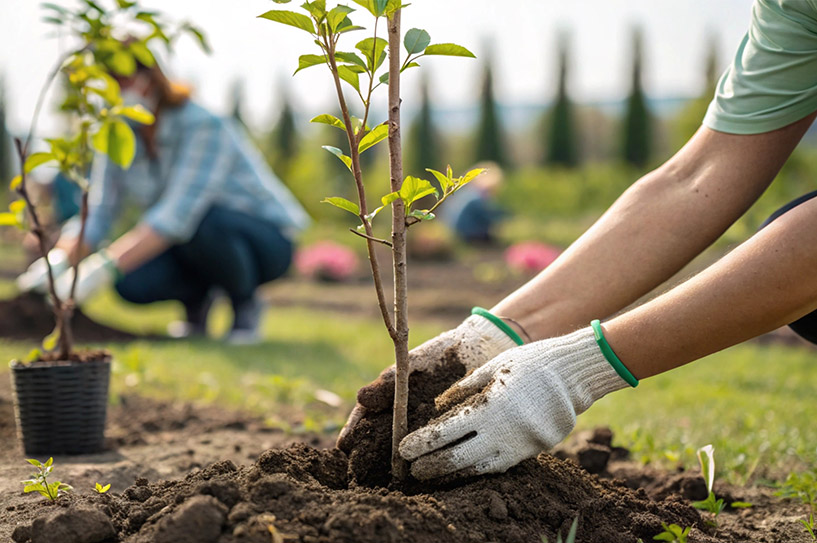
Welcome to AVAH Farm, a dedicated agarwood-growing sanctuary located in Liliw, Laguna. Our four-hectare property is home to more than four thousand healthy trees cultivated with patience, intention, and long-term purpose. We focus exclusively on growing Aquilaria malaccensis, one of the most valued species connected to premium fragrant resin.
Every tree in our farm is raised with steady care to create real opportunities for future harvest, investment, and sustainable supply within the Philippines, especially as the Aquilaria malaccensis tree remains highly regarded in the global market for high-quality agarwood.
Agarwood has a long reputation as one of the world’s most admired natural materials because of its rarity, fragrance, cultural value, and long history of symbolic meaning.
AVAH Farm provides an ethical and long-term path for buyers, growers, and future producers who want to take part in the expanding global demand for agarwood products that remain highly prized across the Middle East and other global regions.
What Is an Agarwood Tree and Where Does It Come From?
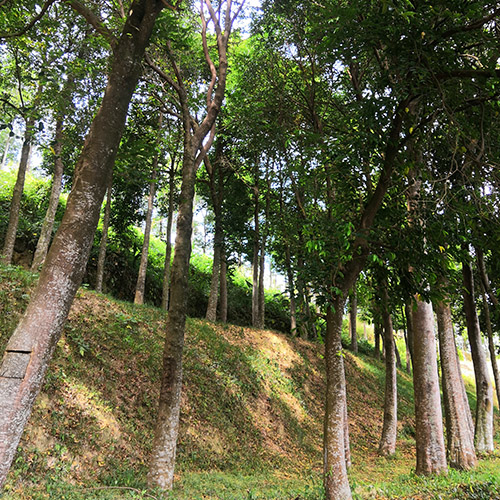
The agarwood tree belongs to the genus Aquilaria and is considered part of the large evergreens family that thrives in warm and humid climates. These large evergreens native to natural forests can be found in several Asian regions including the Philippines, India, Malaysia, Indonesia, Thailand, and other geographical location areas across Southeast Asia.
In the Philippines, it is locally commonly referred to as “Lapnisan” and has been part of cultural awareness for many years as a unique plant that holds value beyond traditional wood use.
The tree is valued because, under special conditions, the Aquilaria tree produces a fragrant wood resin inside the trunk leading to dark resinous heartwood that becomes some of the most expensive woods in the world. Only a wounded tree or guided process creates its unique aroma and distinctive fragrance, which explains why the species is critically endangered in wild areas where overharvesting once took place and where it was commonly harvested without proper regulation.
Today, sustainable farms like AVAH focus on preservation, education, and lawful sourcing to help meet high demand while keeping the environment protected for future generations, especially as the endangered species classification calls for more regulated farming.
What Is Agarwood Used For? Trees that Produce Agarwood Products
Agarwood has been recorded for generations, dating back to ancient times where it was used in royal gatherings, sacred rituals, and special offerings for its medicinal and aromatic value. Modern society continues to honor it through high-value fragrance, personal wellness, and luxury items.
Its natural scent profile makes it a treasured ingredient for agarwood oil, agarwood essential oil, and even customized essential oil blends used in meditation, premium incense, and spiritual ceremonies.
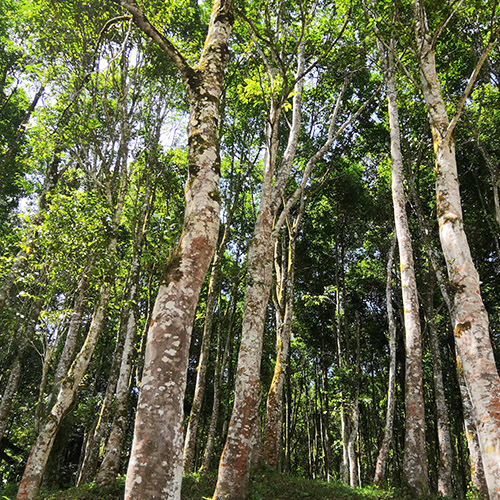
The agarwood bark is also the core element in oud, oud oil, and world-class perfumes that are primarily produced for niche markets across the Middle East, Europe, and other international perfume hubs. Certain groups use it in cultural prayer spaces while others value it for premium incense, art collections, or legacy investments.
Beyond fragrance, agarwood also appears in traditional medicine, religious ceremonies, and ayurvedic medicine communities, where natural wood-based extracts and plant-derived compounds are appreciated for wellness traditions inherited over time.
Because of its limited supply, complex natural formation, and international interest, international trade related to agarwood remains controlled and monitored under Appendix II trade protection guidelines due to its endangered species status.
How is Aquilaria Malaccensis different from Aquilaria Crassna?
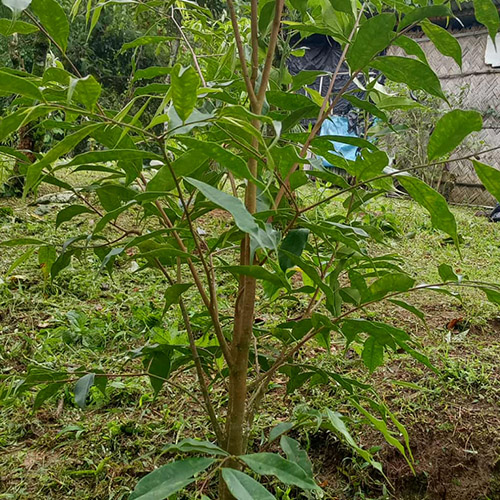
Aquilaria malaccensis and Aquilaria crassna are two related Aquilaria species known for resin ability, but they differ in their original geographic location, leaf characteristics, and fragrance outcome. Malaccensis is native to South and Southeast Asian countries and is widely associated with deeper traditional scent notes that many buyers recognize in perfume oils and classic agarwood produced resin.
Meanwhile, Crassna is originally found in Indo-China regions and creates a lighter, gentle, and floral-leaning aroma used in modern perfume blending and other countries that favor softer scent profiles. Both are valuable, but each has its own character, preference group, cultural use, flower profile differences, and market identity.
Why We Focus on Aquilaria Malaccensis Among Aquilaria Species
There are seventeen species known within the Aquilaria genus, but only a handful produce agarwood suitable for high-value results. AVAH Farm specializes only in Aquilaria malaccensis because it is recognized as a producing Aquilaria species associated with deeper aroma character and distinctive fragrance. It is favored by many collectors, exporters, and middle eastern buyers who appreciate resin depth, heritage value, fragrance complexity, and the traditional oud profile.
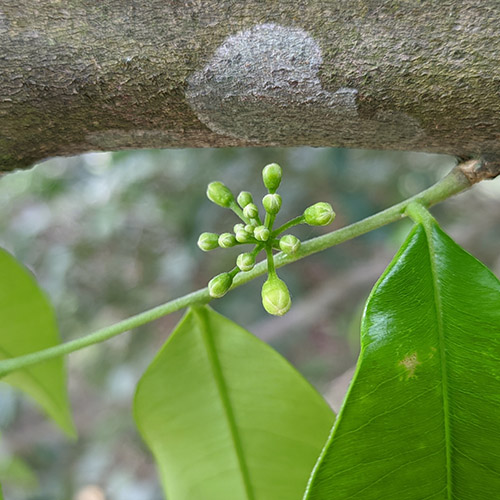
Our seedlings come from verified sources with approval and compliance, ensuring authenticity, proper documentation, and real traceability. This also supports farming education rather than dependence on other countries or illegal logging.
Agarwood Species Availability and Buyer Options
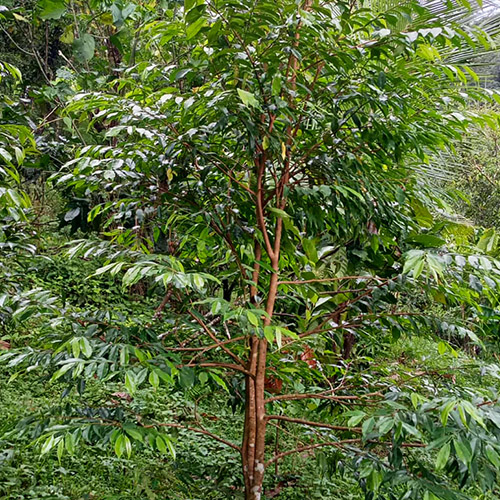
AVAH Farm currently provides trees averaging two and a half years old, measuring around five to fourteen feet in height. These are well-maintained, field-raised, and can be purchased according to buyer plans:
- Non-Inoculated – Ideal for long-term personal farms, real estate estates, or investment gardens.
- Inoculated – Best for individuals preparing for future agarwood production timelines.
Trees may be scheduled for farm pick-up or discussed for alternative arrangements depending on geographic location and transport planning. Buyers may also request on-site guidance and growth advice.
Responsible Care and Farm Maintenance
AVAH Farm uses an attentive but balanced farming approach.
Trees are spaced with proper airflow, protected from pests, and monitored consistently for health.
Soil, water, and shade balance are observed rather than over-managed. No rushed forcing and no mass-cutting behavior exist on the farm.
Our goal is long-term value, not fast returns.
Agarwood Tree Species Customer Reviews
Hear from fellow agarwood tree species growers, hobbyists, and first-time buyers who have experienced AVAH Farm in person, from exploring the trees up close to making their first investment.
“I had such a great experience visiting AVAH Farm. I’ve been curious about agarwood for a while, but this was the first time I really got to see how it’s grown and managed. The team was super welcoming and took the time to explain everything. You can tell they genuinely care about the trees and the people they work with. I left feeling really informed and confident about moving forward with my purchase.”

Maria Tan
Learn More About the Agarwood Tree Species
If you are interested in learning, investing, buying agarwood trees, or simply exploring opportunities involving agarwood, we welcome serious and verified buyers to book a visit. You may walk the farm, see the trees up close, ask questions, and understand expectations before purchasing.